
How to Track Business Expenses: A Simple Guide for Small Businesses
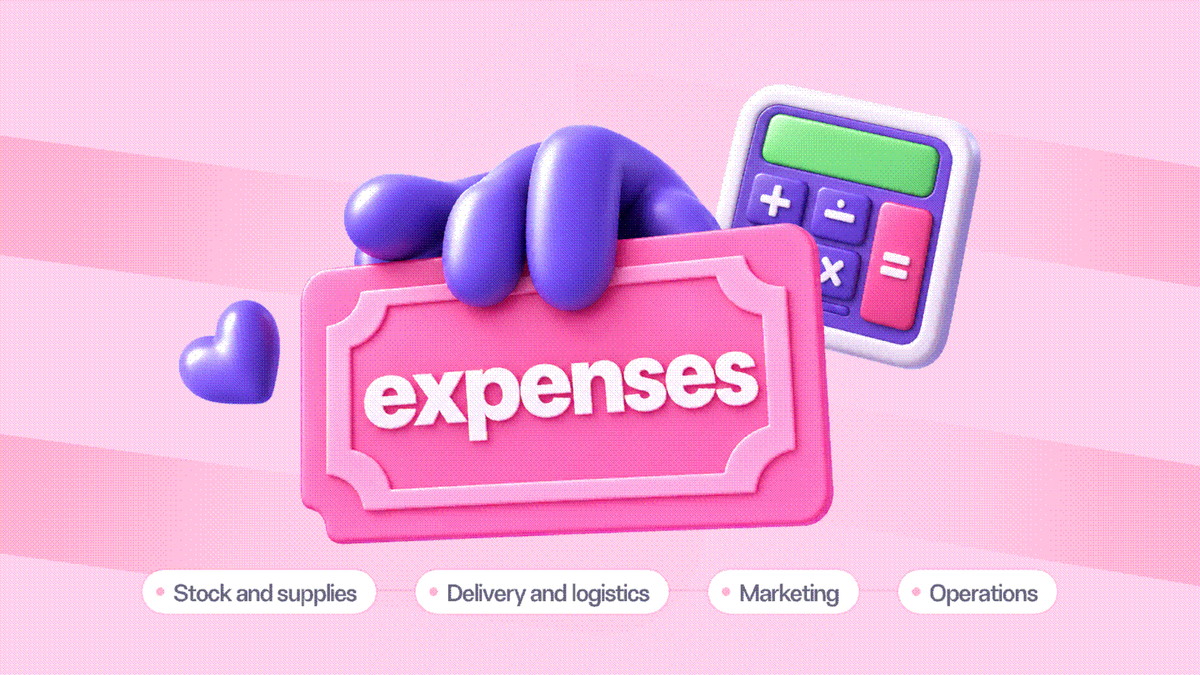
Every business has expenses. You buy stock, pay delivery fees, run ads, buy packaging, pay for data, settle supplier balances, and cover the everyday costs of keeping things running.
When you're busy selling, it's easy to focus on the money coming in and forget about everything going out.
Tracking your business expenses helps you understand where your money is going, calculate your profit more accurately, and make better decisions about your business.
In this guide, we'll explain how to track business expenses in a way that’s practical and how to build a system you can actually keep up with.
What Are Business Expenses?
Business expenses are the costs your business incurs to make sales and keep operating.
They can include:
- Stock and inventory purchases
- Raw materials and supplies
- Delivery and logistics
- Packaging
- Advertising and marketing
- Data and internet
- Rent or shop expenses
- Staff salaries and commissions
- Electricity and petrol
- Software and business tools
- Bank charges and payment fees
Some expenses happen regularly, while others come up occasionally.
The important thing is to record them all.
Why Should You Track Business Expenses?
Imagine your business made ₦1,000,000 in sales this month.
That sounds great, but then you remember you spent ₦500,000 on stock, ₦100,000 on ads, ₦50,000 on delivery, and another ₦50,000 on packaging and other expenses.
Suddenly, that ₦1,000,000 doesn't look like ₦1,000,000 anymore.
Tracking your expenses helps you understand:
- How much your business is actually spending
- How much profit you're making
- Which costs are taking up the most money
- Whether your prices are high enough
- Where you can reduce unnecessary spending
- Whether your business is becoming more or less profitable over time
Without this information, you're making decisions based on what's in your account rather than what's coming into your business.
How to Track Business Expenses
You don't need a complicated accounting system to get started.
What matters most is having a system you can use consistently.
1. Record Every Expense
Start by recording every time money leaves your business.
That includes the obvious expenses, like buying ₦300,000 worth of stock, and the smaller ones, like ₦2,000 for packaging materials.
For each expense, record:
- What you spent money on
- How much you spent
- The date
- Who you paid
- The expense category
- Whether you've paid it in full or still owe part of it
This gives you a record you can come back to when reviewing your finances.
And don't wait until the end of the month to remember everything.
Record expenses as they happen.
2. Categorise Your Expenses
Knowing that you spent ₦200,000 isn't enough.
You also want to know where that ₦200,000 went.
Group your expenses into categories such as:
Stock and supplies
- Inventory
- Raw materials
- Production supplies
Delivery and logistics
- Dispatch riders
- Courier fees
- Transportation
Marketing
- Social media ads
- Influencer campaigns
- Content creation
Operations
- Data and internet
- Electricity
- Rent
- Software subscriptions
Categories make your expenses easier to understand and help you spot where most of your money is going.
3. Don't Forget the Small Expenses
It's easy to remember a ₦500,000 stock purchase.
It's much easier to forget the ₦1,500 you spent on tips, ₦2,000 on data, or ₦3,000 on transportation.
But small expenses add up.
If you're spending ₦5,000 here and ₦10,000 there without recording them, you could end the month wondering where your money went.
The solution isn't to stop making small business expenses.
It's to record them.
4. Keep Business and Personal Expenses Separate
This can get messy quickly.
You receive customer payments in your account, use some of the money to buy stock, send some to a supplier, then use the same account to pay for lunch or personal bills.
Now you have to work backwards to figure out what the business actually spent.
Keeping business and personal money separate makes your records much easier to understand.
If you can't have separate accounts yet, you can easily get a business bank account on Catlog if you’re in Nigeria or at least make sure your records clearly show which transactions are business expenses and which aren't.
5. Track Expenses That You Haven't Fully Paid
Not every expense is paid immediately.
You might buy stock from a supplier and agree to pay part of the amount later. Or you might receive a service today and settle the bill next week.
These are still business obligations, even if the money hasn't left your account yet.
Keep track of what you owe and when it's due.
This gives you a more accurate picture of your business finances and helps prevent unpaid bills from catching you by surprise.
6. Keep Records of Customer and Supplier Debts
Money owed to you and money you owe other people can affect how healthy your business really is.
For example, you might have ₦500,000 sitting in your business account, but owe a supplier ₦200,000.
At the same time, customers might owe you another ₦150,000.
Your bank balance alone doesn't tell you that story.
Tracking customer debts helps you know what you're still expecting to receive. Tracking supplier and other business debts helps you know what you still need to pay.
Both matter when you're looking at your business finances.
7. Review Your Expenses Regularly
Recording expenses is only useful if you review them often.
Set aside some time each week or month to review your numbers.
Ask yourself:
- What did I spend the most on?
- Which expenses increased this month?
- Are there costs I can reduce?
- Am I spending more to make the same amount of sales?
- Are my prices still high enough to cover my costs?
- Which products are costing me the most to sell?
You might discover that your delivery costs have increased, your advertising spend isn't producing enough profit, or a product you're selling frequently isn't as profitable as you thought.
Your records should help you spot these things.
What Is the Best Way to Track Business Expenses?
There's no single method that works for every business.
You could use:
- A notebook
- A spreadsheet
- A notes app
- Accounting software
- A business management tool with expense tracking
The important thing is that your system makes it easy to record expenses accurately and review them regularly.
For a growing business, keeping everything in your head becomes harder and harder.
A system that connects your sales, expenses, debts, and other financial information can give you a much clearer picture of what's happening.
How Catlog Helps You Track Business Expenses
Catlog's Money Tracker helps you keep track of the money going out of your business alongside the money coming in.
You can record expenses manually, tag relevant Catlog wallet withdrawals as expenses, and connect expenses directly to sales when they're related to a specific order.
You can also categorise expenses and record who you're paying and whether an expense has been paid fully or partially.
Because Money Tracker connects with other parts of your Catlog account, your financial records don't have to live separately from your orders, inventory, and payments.
That means you can see not just that you spent money, but how those expenses affect your business.
Conclusion
Tracking business expenses isn't about recording numbers for the sake of it. It's about knowing where your money is going.
When you consistently track your expenses, you can see what your business costs to run, understand your actual profit, spot unnecessary spending, and make decisions based on what's happening in your business.
Catlog's Money Tracker brings your sales, expenses, debts, and profit together in one place, so you can spend less time piecing your numbers together and more time using them to run your business.
Get started with Money Tracker here.